Write a Pinterest description that previews a blog guide honestly
Describe the reader task, the method inside the article, and the next step in a Pin description.
A guide Pin should tell a planner what they will learn after clicking, not only repeat the title.
The problem behind the post
Pinterest is often used while planning a project. A Pin description can supply the context a title cannot: who the guide is for, what it covers, and what materials or prerequisites matter. The destination article should deliver those things. A vague invitation to “read more” leaves a person unable to judge whether the guide fits their project.
A practical way to handle it
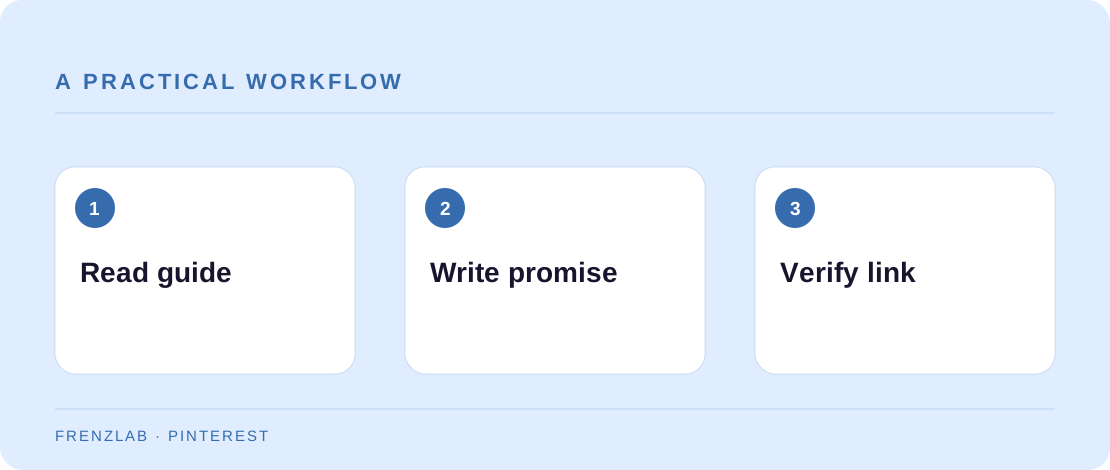
Read the article before writing the Pin. Identify the exact outcome and one distinctive step or example. Put the topic in a natural sentence, then add the detail that sets the guide apart. Use the Pin Copy Builder as a draft, not an automatic truth source. Verify any number, time estimate, or material list against the article itself.
Pair the description with an image that represents the method or finished result. Choose a relevant board and open the link after it is attached. Pinterest's creation flow offers a title, description, board, and link; use them to make one consistent promise. If the article is updated later, review older Pins that still point to it for outdated details.
A worked example
A blog guide on repairing a torn tote-bag seam could be described as “A beginner hand-stitch repair for a short side-seam tear, with photos of the starting knot and final finish. Open the guide for the step-by-step sequence.” This lets a reader know the scope. A Pin saying “Fix any bag in five minutes” would overpromise.
Before you publish
- Does the description identify the task and audience?
- Is the concrete detail present in the article?
- Does the visual match the guide’s actual method?
A common mistake
Do not paste the first paragraph of an article without editing it for the Pin. The article may open with background, while the Pin needs to identify the value of the destination. Write for the decision to click, then deliver on it.
Use the related Frenzlab tool to put this method into practice, then check the result in the destination platform.
Sources and further reading
Platform features and interfaces may change. These references were used to check the platform-specific details in this guide.
Practical, independently written guidance. If a step has changed, tell us so we can verify it.