Write a Pinterest Pin title that matches the product page
A title method that names the product and distinguishing feature without promising more than the page delivers.
A Pin title is a promise about what someone will see after opening the destination.
The problem behind the post
“Beautiful home idea” can describe thousands of objects. A shopper deciding whether to click needs the actual product and a relevant feature. Pinterest asks for a title, description, and optional link when creating a Pin. These fields work together with the image; they should not compete or make contradictory claims.
A practical way to handle it
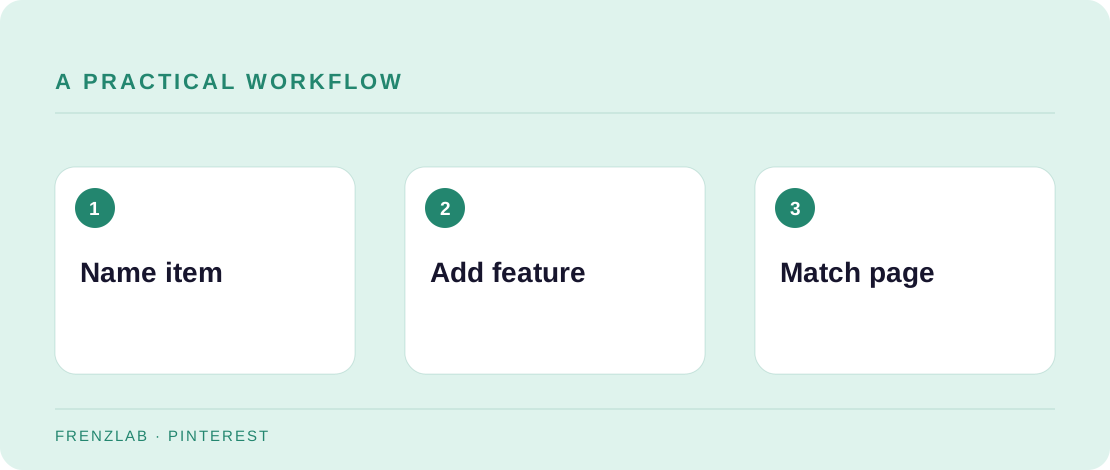
Name the item in words a customer would use, then add one feature that helps distinguish it: material, size, use, or style. Use the Pin Copy Builder to draft the line and description, but edit the final title for clarity. If the product page has multiple variants, avoid implying that a photographed color is the only option. Keep subjective adjectives secondary to concrete facts.
Open the landing page and compare its product name, availability, images, and price information with the Pin. If the product has sold out, update or remove a time-sensitive claim in the Pin where editing is possible. A title that sends someone to an unrelated collection page wastes their time even when the Pin receives clicks.
A worked example
For a narrow shelf, “Oak wall shelf for small entryways” tells a shopper the material and use. “Transform your entire home instantly” promises an outcome the product cannot guarantee. The description can add the shelf's dimensions and the product page can carry installation details.
Before you publish
- Does the title name the actual item?
- Is the distinguishing feature visible or verified?
- Does the URL open the matching product page?
A common mistake
Do not write a title around a search phrase that the product does not satisfy. A “solid oak” title on a veneer shelf is inaccurate and can erode trust. Precise, modest descriptions help the right person make a decision.
Use the related Frenzlab tool to put this method into practice, then check the result in the destination platform.
Sources and further reading
Platform features and interfaces may change. These references were used to check the platform-specific details in this guide.
Practical, independently written guidance. If a step has changed, tell us so we can verify it.