Open a LinkedIn case study with the decision, not a teaser
A case study opening that states the problem and decision before asking readers to continue.
A useful case study tells readers what changed, why it changed, and what evidence supports the result.
The problem behind the post
LinkedIn case studies often open with a vague promise: “We learned so much this quarter.” The reader cannot judge whether the post is relevant. A better opening names the decision and the context. It does not have to give away every detail, but it should respect the reader's time. This is especially important when the post leads to a longer article.
A practical way to handle it
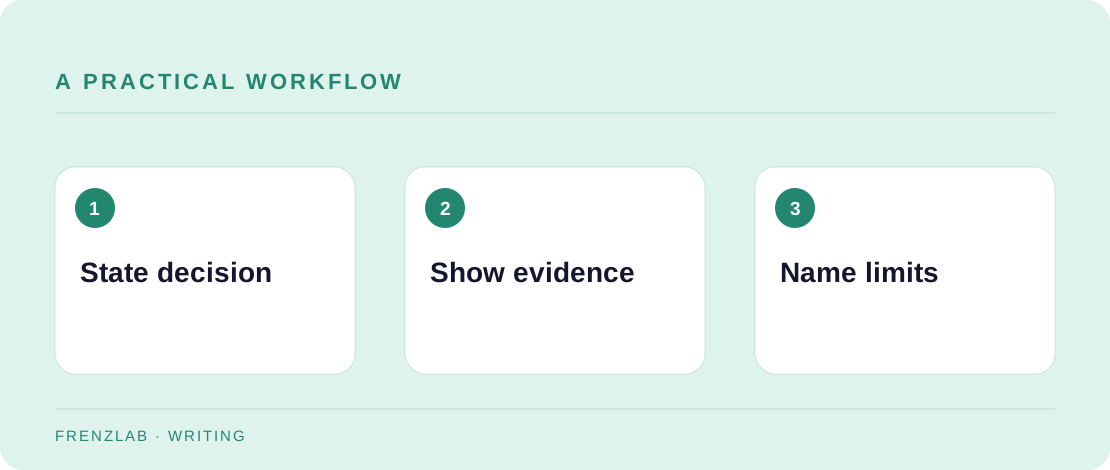
Write down the initial problem in one sentence, then the choice you made in another. Put one of these at the start of the post. Follow with the constraints: budget, audience, time, or data quality. Then describe the action and result separately. A result without a baseline can mislead, so include the comparison when you have it and acknowledge when a change cannot be attributed to one factor.
Use a short paragraph for each stage. The Caption Clarity Checker helps you notice a crowded opening, but it does not evaluate your evidence. If linking to a detailed case study, the destination should show the method and data behind the summary. LinkedIn allows a link preview when sharing a URL; inspect the title and image before posting.
A worked example
A small design agency might open with, “We cut our onboarding form from 18 questions to six because clients were abandoning it halfway through.” The post can then explain which questions moved to the first call, what was measured, and what remained uncertain. That gives another team a decision to examine rather than a motivational slogan.
Before you publish
- Does the opening name a real decision or problem?
- Is the result distinguished from your interpretation of it?
- Does any linked article substantiate the summary?
A common mistake
Do not imply causation from a single before-and-after number. Seasonality, traffic mix, and other changes can influence results. Explain what you controlled and what you did not; that honesty makes a modest case study more useful than a dramatic unsupported claim.
Use the related Frenzlab tool to put this method into practice, then check the result in the destination platform.
Sources and further reading
Platform features and interfaces may change. These references were used to check the platform-specific details in this guide.
Practical, independently written guidance. If a step has changed, tell us so we can verify it.